M·E·L Research joins the British Dyslexia Association at Parliament for launch of new report on dyslexic young people who are NEET
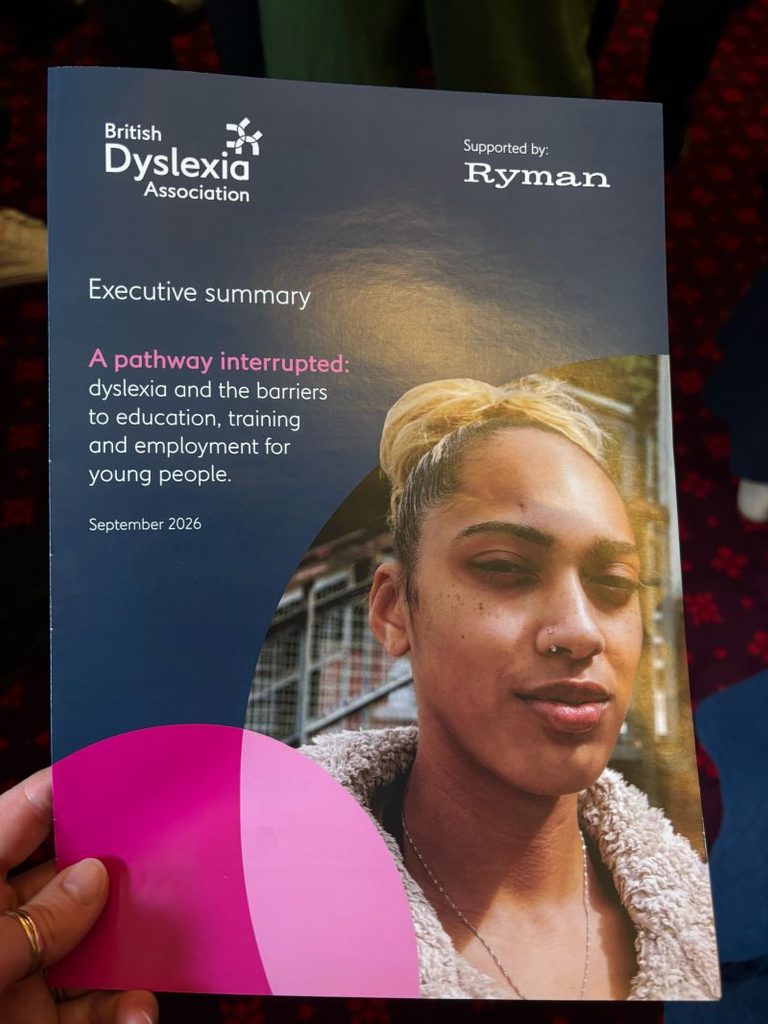
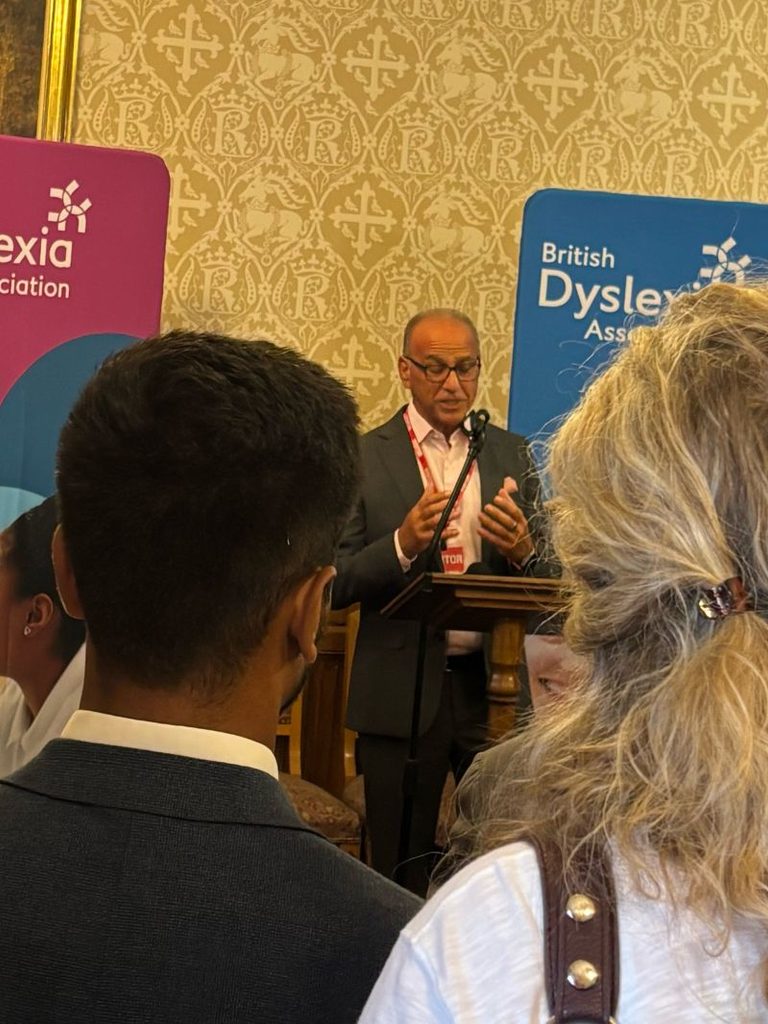
M·E·L Research joined the British Dyslexia Association (BDA) at the House of Lords this week for the launch of a new report exploring the experiences of dyslexic young people who are not in employment, education or training (NEET).
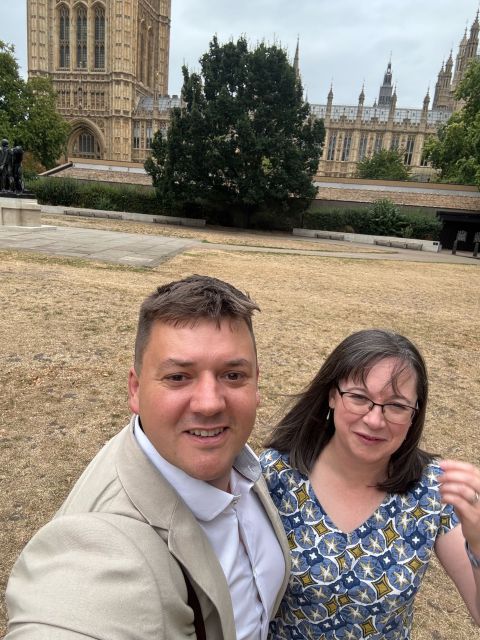
Tamsin Maries, Senior Research Manager, and Elliot Simmonds, Commercial Manager, represented M·E·L Research at the event, where the findings were shared with parliamentarians, policymakers and other guests.
It was the second time Tamsin and Elliot had attended Parliament for the launch of a BDA report informed by research conducted by M·E·L Research. In 2025, they attended the launch of the Set up for Somebody Else report which explored the experiences of children and young people with dyslexia across the education system.
This latest research builds on that work, focusing specifically on young people aged 18 to 24 who are not currently in employment, education or training. It looks at their experiences of education and trying to move into work, and considers how unidentified or inadequately supported dyslexia may sit alongside the wider factors associated with becoming NEET.
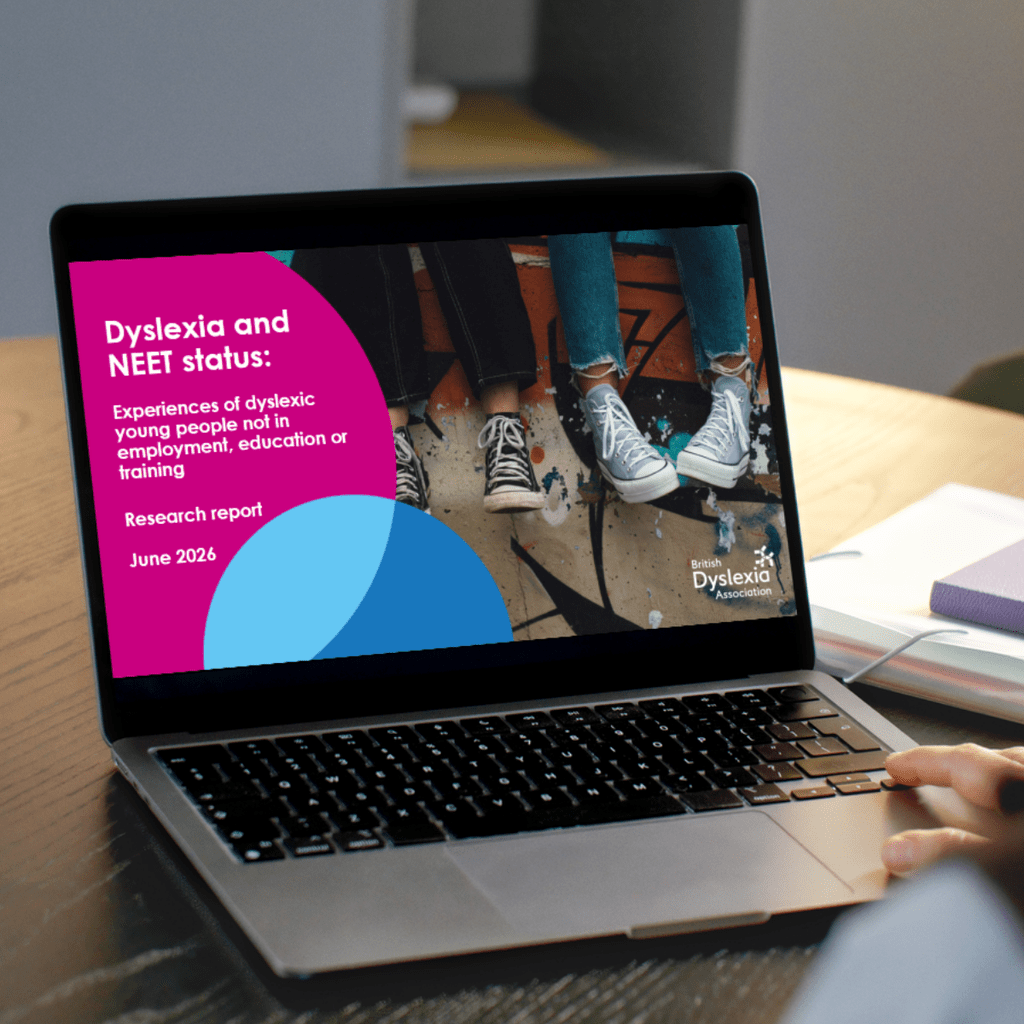
The report, Dyslexia and NEET status: Experiences of dyslexic young people not in employment, education or training, was commissioned by the BDA, with the research undertaken by M·E·L Research.
Listening to young people’s experiences
M·E·L Research conducted in-depth interviews with ten dyslexic young people aged 18 to 24 who were not in employment, education or training. The research explored their experiences of dyslexia in the education system and their attempts to transition into further education, training and work.
Their experiences are varied and complex, with dyslexia one part of a multifaceted picture. Several of the young people experience socio-economic disadvantage and at least one other neurodivergent condition, and many talked about challenges with their mental health. But there are also some strikingly consistent experiences of dyslexia.
Almost all were either late diagnosed during secondary school, college or university, or still had not received a formal diagnosis of dyslexia. Many described struggling at school without understanding why and a lack of consistent support throughout their education. Young people talked about the difficulties of being misunderstood, about agreed adjustments not being put in place consistently or at all, and teaching approaches that did not work for the way they learnt.
For some, the impact extended well beyond educational attainment. Their accounts showed how difficult educational experiences can sit alongside lower confidence, self-belief and anxiety.
Lack of aspiration was not the issue
The research demonstrated that these young people want to work or continue learning. Nine of the ten participants wanted to be in work or education and were actively seeking opportunities. Their experiences challenge assumptions that young people who are NEET are simply disengaged or lack ambition.
Instead, the research revealed a combination of barriers. Some of these were common to young people generally, including a difficult job market, repeated rejection and employers asking for experience even for entry-level jobs. But the research suggests that dyslexia could add another layer of difficulty.
Job applications are a particular challenge for dyslexic young people. Long application forms, written questions and reading-heavy recruitment processes require considerable time and effort, can cause anxiety and, in some cases, put young people off applying for jobs they know they can do.
Some have to rely heavily on parents or friends to read job descriptions, help them interpret questions and support them with written applications. Others do not have anybody they could ask for support.
Several were also uncertain about whether to tell an employer they were dyslexic. Some worry that disclosure could lead employers to make assumptions about their capability, while others were unclear about who would see the information or what would happen if they requested an adjustment.
What needs to change?
The young people involved in the research were clear about what could make their transitions to work and further learning more positive. Within education, this includes earlier identification of dyslexia, improving teachers’ understanding of dyslexia, making sure agreed support is actually implemented and using teaching and assessment approaches that better accommodate different ways of learning.
For young people moving into employment, there is a need to look at how accessible recruitment processes really are. Young people suggest practical alternatives including video applications, work trials and practical assessments which could give people different ways to demonstrate what they can do and allow dyslexic strengths to shine. They also highlight the value of individual support with CVs, application forms and interviews, alongside clearer information about disclosing dyslexia and requesting adjustments.
Underlying all this is the call for greater understanding among employers, Jobcentres and other employment support services. The findings point to the importance of looking at the whole journey from education into employment. Identifying dyslexia earlier is important, but diagnosis alone is not enough. Young people also need appropriate and consistent support in education, followed by accessible routes into training and employment.
A growing policy challenge
The research comes at a time when the number of young people outside education and the labour market is receiving increasing attention.
In May 2026, the Office for National Statistics reported that more than one million 16 to 24 year olds were NEET in the first quarter of the year, the highest figure for more than 12 years.
Alan Milburn’s Young People and Work interim report has also highlighted that becoming NEET rarely has a single cause. Educational experiences, health and wellbeing, disadvantage, labour-market conditions and access to support can overlap in complex ways.
This research adds dyslexia to that conversation. It suggests that unidentified or inadequately supported dyslexia should be considered as part of the wider picture when looking at why some young people struggle to move successfully from education into employment.
Tamsin, who led the research for M·E·L Research, said:
“It was great to be back at Parliament with the British Dyslexia Association and, most importantly, to hear the voices of the young people who took part in the research being heard by people with the ability to influence policy and practice.
“One thing that really stood out from the interviews was how much these young people but had been let down by the system. The issue wasn’t lack of ambition. These young people are trying to navigate a difficult job market alongside barriers associated with dyslexia and, for most, the longer-term effects of not having their needs identified or properly supported during education.
“I’m very grateful to the young people who trusted us with their experiences. They were thoughtful, engaging and very open about some difficult parts of their lives. I hope this research helps make sure dyslexia is part of the wider conversation about young people who are NEET, and that their experiences inform how education, recruitment and employment support are designed in the future.”
For M·E·L Research, the project continues our work with the BDA to understand the experiences of dyslexic people at different stages of their lives and to make sure policy discussions are informed by the lived experiences of people with dyslexia.
Whether you’re a public body, charity, or organisation looking to understand your audience, evaluate impact, or inform future strategies, we’re here to help.
Get in touch with the M·E·L Research team today via our ‘Get in touch’ form below to see how our expert researchers can support your goals. Alternatively, you can email the team at info@melresearch.co.uk.
How do we demonstrate the true value of culture and heritage? And are we measuring everything that matters?
These were two of the questions that stood out during the third day of the Culture and Heritage Capital: Putting Theory into Practice conference.
Cultural organisations have long recognised that their impact extends beyond visitor numbers, ticket sales and tourism revenue. Museums, heritage sites and cultural programmes can support mental health and wellbeing, strengthen community connections, create opportunities for learning and preserve our shared…
M·E·L Research is pleased to be working with the British Film Institute (BFI) on a three-year evaluation of the BFI Film Academy programme. Since 2012, BFI Film Academy has supported young people to develop skills, confidence, knowledge and networks and explore routes into careers across the screen industries. The refreshed 2026–2029 programme builds on this experience, creating connected pathways from early engagement through to specialist training, mentoring, placements and industry-facing progression, with a strong emphasis on…
M·E·L Research is pleased to welcome four new colleagues to our growing team, strengthening our research and evaluation expertise as we continue to expand our services and support clients.
The appointments of Laura Karban, Associate Director; Bethan Jewsbury, Senior Evaluation Managers; and Chloe Parker, Research Manager, alongside Rhoslyn Davies, who joins us on a short-term basis to provide additional senior evaluation support, bring a wealth of experience across social research, evaluation, public policy…
It was an absolute honour to attend the Women’s Health Conference in London this week, bringing together clinicians, policymakers, campaigners and others passionate about improving women’s health.
As a researcher specialising in women’s health social research, I was excited to have the opportunity to learn, be challenged and exchange ideas with people who share that passion. And I wasn’t disappointed.
There has (quite rightly) been a lot of discussion recently about the gender health gap. But some of the evidence shared…
We are pleased to be working with the MS Society on new health and care social research exploring how health and care services can better support people with multiple sclerosis (MS) and help reduce avoidable hospital admissions.
The health and care social research study will focus on opportunities for earlier intervention and more coordinated, preventative support, while recognising that hospital admission is sometimes clinically necessary. It will…
Last week, I had the opportunity to speak at Collections Inside & Out, a symposium hosted at National Trust Chirk Castle & Garden, bringing together people working across gardens, horticulture, heritage, collections and interpretation.
I was, perhaps, a slight interloper among so many people with deep horticultural expertise but every presentation was incredibly interesting and I learned a lot – and broadly managed to follow the general flow of what was being said (still not 100% au fait with taxa…
We’re pleased to share that our Commercial Director, Elliot Simmonds, will be speaking at the Collections Inside & Out symposium at National Trust Chirk Castle & Garden on 24 September 2026. Bringing together professionals working across heritage collections, gardens and landscapes, the symposium will explore the relationship between indoor and outdoor heritage and the opportunities created by thinking about them as part of a connected visitor experience.
Elliot’s session, “Integrating Indoor…
M·E·L Research has been named the winner of the Award for Outstanding Contribution to Social Value & Ethical Research 2026 at the UK Enterprise Awards.
The award recognises the values that shape both the work we choose to undertake and the way we deliver it. From building trauma-informed practices into our research to improving inclusion and reinvesting in the communities around us, social responsibility is part of how we operate every day.