AIM Conference 2024 Reflections: Community & Communities In Museums
“I had the pleasure of attending the AIM Conference recently”, writes Elliot Simmonds, our culture and heritage and audience insight lead and trustee at Creswell Crags, “and it was quite an experience. From insightful sessions to engaging discussions, there was a lot to take in. Here are some highlights and takeaways from the sessions I attended.”
Learning from Queer Britain
The session with Joseph from Queer Britain was both enlightening and entertaining. Joseph recounted a rather funny yet poignant story, describing the reaction of the older generation to the younger ones not knowing the struggles of when being gay was illegal—likening it to a “fish slap in the face.”
He shared how the Oscar Wilde cell door at the Tate served as an inspiration, sparking the question, “Why a museum?” His response was profound: “We create museums to show whose stories we value. They show that we care.” I think implicit within this is a final clause, ‘and what we care about.’
This sentiment echoed throughout his presentation, where he emphasised the importance and value of Queer Britain’s “Community of Accountability.” It’s important to commit to the cause and make it work not just for yourself but also for those around you and for different groups within your audience – a great example of a practical thing museums can do to encourage a sense of belonging in their audiences (belonging being a key element of our model of Emotional Connections to Museums). One of the over-riding points I took from Joseph was the idea of intersectionality – Queer Britain is the national LGBTQIA+ museum, but within that group there are of course other different identities which interlock.
The session also touched on the significance of “being seen” – indeed, their fantastic brand video leads with QB as “The place to be seen“. I also really enjoyed the use of striking metal hexagons in the museum, which visitors can write on and leave messages for others to discuss – it reminded me really strongly of a visit to the European Solidarity Centre (on the face of it, different subject matter, but there are parallels I suspect) which I have talked about in this webinar (40 mins in) and both are great examples of creating connection with and between visitors in an asynchronous but very visceral way.
Engaging Your Museum’s Community
Following the theme of community, the panel discussion featuring members of the AIM Board on identifying and engaging museum communities offered some good ideas and insights. Rhiannon Goddard emphasised the need for sustainability of audiences and taking a long view (not necessarily always helped by project-based funding), while Nathaniel Hepburn from Charleston highlighted a crucial point: Directors come and go, but communities remain deeply committed to their museums. To paraphrase, you will rarely be as committed as your community.
One intriguing point was the discussion around giving away power versus inviting people in. I did wonder if the Panel had gone far enough with their views on this, and whilst there was a lot of discussion about the importance of being open and inviting, there is an arugment that it’s not enough to passively invite; museums need to actively reach out to those who don’t already see their relevance. People are not sat at home wishing they could come to the museum if only they were asked to turn-up – they’re sat at home or at work worrying about other things, often unaware of the relevance of a museum to them and sometimes actively negative about the experience they expect to have there.
There was a great example of this type of approach at the recent Visitor Studies Conference from Sarah McLeod, CEO Wentworth Woodhouse in Rotherham – members of the team went for regular fish and chip ‘hang outs’ with local young people, as that is where they felt comfortable, and in the end built enough trust to encourage them in to what is a large, grand, stately home. This idea of active engagement also links back to what Joseph from Queer Britain highlighted—making museums matter to new audiences, not just those already engaged.
If this is of interest, we at M·E·L Research have a specialist team with expertice in co-production and engaging communities on their terms in their spaces.
Using Emotions Research to Build and Strengthen Communities
The session led by Katherine McAlpine and Emily Boldry from the Brunel Museum was all about how museums can use our emotions research for AIM/Art Fund to build and strengthen their communities (so of course I had to attend this breakout session!). This participatory session had us partnering up with others in the room —in my case, my esteemed colleague and friend at Creswell Crags, Anra Kennedy, our current Co-Chair.
The Brunel team demonstrated tools developed from the emotions research, designed to help organisations being to think about and understand audiences’ emotional positioning and journeys and how to engage them more effectively. This approach is a fantastic first step in thinking about the relative position of different groups and connecting more deeply with various audiences, including trustees, staff, visitors, and local residents – and I admit that we (the team at M·E·L Research) had not really envisioned it being used in quite this way.
It shows the value of what can happen when findings are taken on and used by organisations and credit must go to AIM for their Community of Practice around the research. We’re now inspired to use these approaches or something similar for a future Board away day at Creswell Crags, aiming to enhance our engagement strategies and strengthen our community connections.
Data Hunters and Story Gatherers
The session on data hunters and story gatherers took community engagement a step further, focusing on the ACE Priority Place, Gosport. This session explored innovative approaches to cataloguing and engagement (e.g. digitalising records). The concept of gamifying the audit process attracted a younger volunteer demographic, while hybrid volunteering models broadened participation. Jaane Rowehl and Emma Banks, from Hampshire Cultural Trust did a great job of being really open and honest about the challenges of the project as well as its successes!
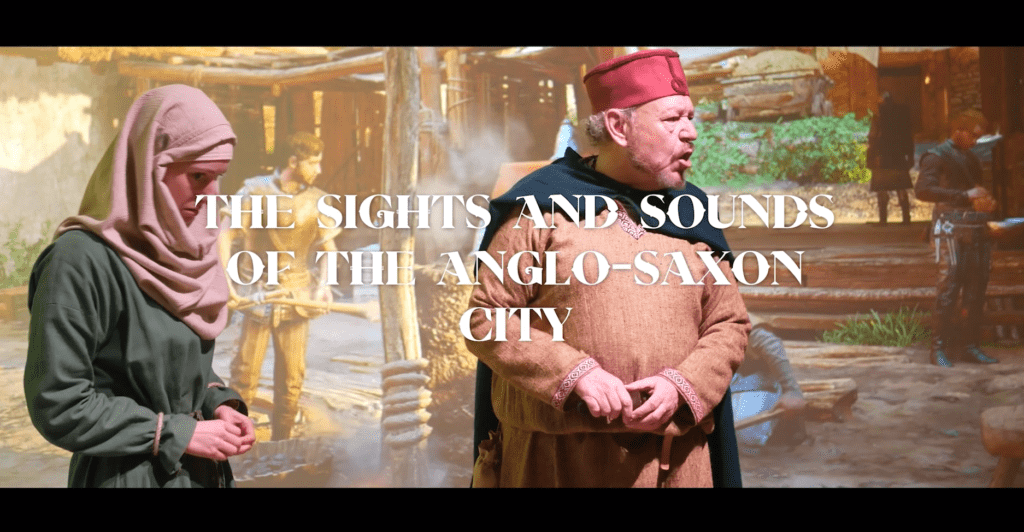
A fascinating aside was the 878AD exhibition, which will use the same software that Ubisoft’s Assassin’s Creed Valhalla is built on to develop the story of Winchester in 878AD (Alfred the Great vs the Vikings). The exhibit recreates the atmosphere of the city and the lives of the people who lived in it on the eve of the battle, as they anxiously await its outcome. It’s a brilliant example of blending history with modern technology to create engaging narratives.
Me and my partner were big fans of The Last Kingdom and went up to visit Bebbenberg (Bamburgh Castle) last year, so a trip to Winchester is on the cards!
Harnessing Online Communities
Staying with the digital theme, the panel on online communities shed light on how museums can engage with digital audiences. The Cromwell Museum shared insights on engaging academic communities through lectures and crowdfunding efforts. The Tank Museum’s (fairly well-known, I think?!) strategy of monetising e-commerce and ad income through social media was led by a call to “Be authentic, show your values and what you do” – and not to be afraid of going after a niche or highly targeted group. To paraphrase, the internet is very big, so even a relatively small group in the population (e.g. people who love tanks!) can be a very large following, and means you can be very targeted in your content and over time develop a real clear sense of what goes down well. Give the people what they want!
I think more generally, the idea of being authentic links back to the idea of active engagement, ensuring that museums remain relevant and accessible – sometimes that means you need to wear your heart on your sleeve a bit and ‘stand for’ something.
Day 2: Bloomberg Connect
Kicking off Day 2, I expected sponsor, Bloomberg Connect, to lead with quite a sales-heavy pitch (and to some extent it was!) but when what you’re ‘selling’ is free and looks very good, it’s a much easier listen. I did visit the Exhibition space and asked the ‘So what’s the catch question’ (doesn’t seem to be one!) and subsequently shared the service with colleagues at Creswell so perhaps we will be joining the Bloomberg community at some point in the future, though we have quite a lot on at the moment!
Of course, the researcher in me enjoyed the memorable quote, “In God we trust, but for the rest we need data.” If we can count qualitative data within that as well, then Amen, Reverend.
Rediscovering Relevance with the City of Birmingham Symphony Orchestra
Emma Stenning’s keynote session on the CBSO was particularly resonant for me, with M·E·L being based in Birmingham – but also because it was a real example of going out and meeting audiences where they are. The orchestra’s effort to reconnect with the city by publishing a draft vision (which will be updated based on feedback) and exploring new performance formats was inspiring – orchestral-grime is something I think I would pay for, despite having no experience of grime and only a couple of tangenital experiences of live orchestral music (e.g. the music for Empire Strikes Back at the Bridgewater Hall). Their new brand, Birmingham’s Orchestra, aims to be more inclusive and relevant to the city’s diverse population.
This approach of actively seeking relevance and inclusivity ties back to the discussions on engaging new communities and leveraging technology to tell compelling stories. The vision was clear, from collaborating with more modern artists to hosting performances in unconventional venues like trams and pubs. Emma was a great speaker and didn’t shy away from the challenges of this new approach, including a discussion of feedback from more traditional members of their audiences – something we have experience of in our work with other performing arts clients! Her point though, that by doing something new you do not need to stop doing what you used to do, is a good one. Audiences (and customers, employees, whoever) can sometimes see things in binary terms or as a zero-sum game…but there are 104 Friday and Saturday nights a year, by using 10 of them to do something a bit new still leaves 94 for the traditional stuff, and might encourage some new audiences in! Other nights of the week are also available.
Advocating for the Museum Sector
An important one, particularly as it’s taken a couple of weeks to write this and we now have a new government taking up its place in Westminster. I enjoyed Hannah Fox from Bowes Museum talking about the need for reciprocity and moving away from transactional relationships and Andrew Lovett’s point that museums are enmeshed in all aspects of life—health, social cohesion, wellbeing—was a strong reminder of their broader societal role, and the fact that museums can seek funding and support from outside the cultural ‘sphere’ – social prescribing, anyone? (If you’re interested in this, see our work for the WWT!)
The panel also discussed the importance of inviting civil servants and new MPs to museums to foster better relationships, linking back to the need for sustainability and active engagement. The civil servants point is interesting and I suspect sometimes overlooked – these are the ‘constants’, particularly in DCMS which, as the panel commented, can sometimes be seen as a ‘junior’ position and somewhere that MPs get their Cabinet chops before moving on to ‘bigger and better’ briefs.
Addressing the Menopause
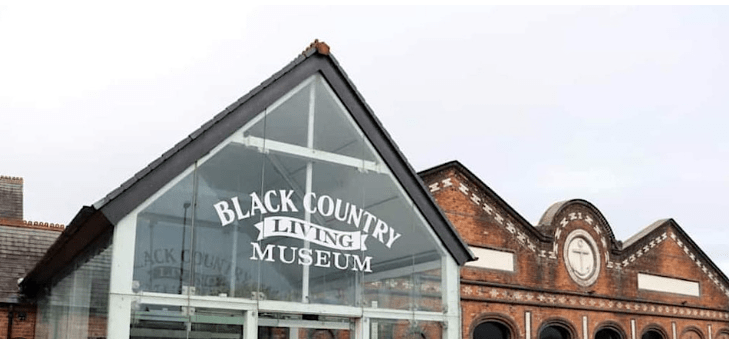
I had to leave before the final session, so this was the last talk I was around for. But, what a vital and often overlooked topic. The menopause session, delivered by the team at Black Country Living Museum, shed light on the growing number of employed women who are going through the menopause and the challenges they can face. It also touched on the andro-pause, the male ‘equivalent’ (the panel pointed out it is not really an equivalent, hence the inverted commas), and how workplaces can support employees through these life stages. BCLM have a menopause policy which has been developed by a team that cuts across roles and gender identities and has made changes as basic as alterations to the clothing some team members wear, as well as larger interventions and educational work across the team. It felt like a really forward looking approach, so kudos to the team and BCLM for delivering and getting behind it!
Summary
Overall, the AIM Conference was a treasure trove of ideas, discussions, and inspiration. Each session provided valuable insights into how museums can evolve and stay relevant in today’s society. Whether it’s through engaging new communities, leveraging technology, or advocating for their role in broader societal contexts, museums have a pivotal role to play. It was great to catch-up with old colleagues and friends – I spent a lot of time at the Art Fund stand – and to meet some new contacts and hear from some amazing speakers. Well done to the Black Country Living Museum for amazing hosting, and roll on 2025 at the Mary Rose!
M·E·L Research is pleased to welcome four new colleagues to our growing team, strengthening our research and evaluation expertise as we continue to expand our services and support clients.
The appointments of Laura Karban, Associate Director; Bethan Jewsbury, Senior Evaluation Managers; and Chloe Parker, Research Manager, alongside Rhoslyn Davies, who joins us on a short-term basis to provide additional senior evaluation support, bring a wealth of experience across social research, evaluation, public policy…
It was an absolute honour to attend the Women’s Health Conference in London this week, bringing together clinicians, policymakers, campaigners and others passionate about improving women’s health.
As a researcher specialising in women’s health social research, I was excited to have the opportunity to learn, be challenged and exchange ideas with people who share that passion. And I wasn’t disappointed.
There has (quite rightly) been a lot of discussion recently about the gender health gap. But some of the evidence shared…
We are pleased to be working with the MS Society on new health and care social research exploring how health and care services can better support people with multiple sclerosis (MS) and help reduce avoidable hospital admissions.
The health and care social research study will focus on opportunities for earlier intervention and more coordinated, preventative support, while recognising that hospital admission is sometimes clinically necessary. It will…
Last week, I had the opportunity to speak at Collections Inside & Out, a symposium hosted at National Trust Chirk Castle & Garden, bringing together people working across gardens, horticulture, heritage, collections and interpretation.
I was, perhaps, a slight interloper among so many people with deep horticultural expertise but every presentation was incredibly interesting and I learned a lot – and broadly managed to follow the general flow of what was being said (still not 100% au fait with taxa…
We’re pleased to share that our Commercial Director, Elliot Simmonds, will be speaking at the Collections Inside & Out symposium at National Trust Chirk Castle & Garden on 24 September 2026. Bringing together professionals working across heritage collections, gardens and landscapes, the symposium will explore the relationship between indoor and outdoor heritage and the opportunities created by thinking about them as part of a connected visitor experience.
Elliot’s session, “Integrating Indoor…
M·E·L Research has been named the winner of the Award for Outstanding Contribution to Social Value & Ethical Research 2026 at the UK Enterprise Awards.
The award recognises the values that shape both the work we choose to undertake and the way we deliver it. From building trauma-informed practices into our research to improving inclusion and reinvesting in the communities around us, social responsibility is part of how we operate every day.
M·E·L Research joined the British Dyslexia Association (BDA) at the House of Lords this week for the launch of a new report exploring the experiences of dyslexic young people who are not in employment, education or training (NEET).
Tamsin Maries, Senior Research Manager, and Elliot Simmonds, Commercial Manager, represented M·E·L Research at the event…
New UK-wide research from M·E·L Research’s SPARK report shows improving mental health indicators alongside continuing exposure to suicide, widespread lifetime suicidal thoughts and significant gaps in practical knowledge.
Suicide prevention depends on understanding not only how many people are affected, but also how confident the public feel about recognising risk, starting difficult conversations and finding appropriate support. The Spring 2026 SPARK report from M·E·L Research brings these issues together, providing a detailed picture of attitudes…