I was 18 when I was diagnosed with Polycystic Ovary Syndrome (PCOS). At the time, I had never heard of it and like so many women and teenage girls, I was left to figure it out on my own, googling the condition and wondering why no one had ever spoken about it before. That is why PCOS Awareness Month matters so much to me, and others with the condition (affectionately known as ‘cysters’).
Beth Harcourt, Marketing Manager at M·E·L Research, and ‘cyster’ of 12 years
Having worked on our Women’s Health in Society: Bridging the Knowledge Gap report earlier this year, I want to use this month to shine a light on a condition that far too often sits in the shadows and bring M·E·L Research’s latest PCOS statistics to the fore.
Before we dive in, it is important to note that although PCOS is often discussed in the context of ‘women’s health’, it can also affect trans men and non-binary people. This article uses gendered language where appropriate but aims to be inclusive of all experiences.
What is Polycystic Ovary Syndrome, aka PCOS?
PCOS is one of the most common hormonal conditions people with ovaries face, affecting around 1 in 10 women in the UK [1], yet it is so often misunderstood. So, I will start with an overview of the condition, and how it impacts sufferers.
PCOS occurs because of an imbalance in hormones, and it affects how the ovaries work. Those with PCOS may have high levels of androgens (male hormones) and luteinising hormone (LH), while having low levels of sex hormone-binding globulin (SHBG).
Due to its name, you’d be forgiven for thinking the condition always results in cysts on the ovaries. However, the name is misleading. Having cysts on the ovaries is one possible marker of PCOS, but they aren’t necessary for everyone who receives the diagnosis. Doctors usually look at a combination of factors when assessing the condition. These can include: signs of high androgen levels (such as excess male hormones), irregular or absent menstrual cycles, and/or the presence of multiple follicles on an ultrasound.
This means that a person can still be diagnosed with PCOS, even if no ovarian cysts are detected on a scan, if they show symptoms such as elevated androgens and irregular periods.
Confused yet? You’re not alone. It’s no wonder that so many people with PCOS feel in the dark about their own condition. This is why education around PCOS – and using PCOS Awareness Month to increase knowledge – is so important.
What are the Symptoms of PCOS?
The symptoms can be wide-ranging, vary from person to person, and are often deeply personal. The main PCOS symptoms include, but are not limited to:
Irregular periods: Infrequent, absent, or unpredictable menstrual cycles, because the ovaries don’t regularly release eggs
Painful periods (dysmenorrhea)
Excess hair growth (hirsutism) or hair loss
Acne and oily skin as a result of excess androgen (‘male’ hormone) levels
Struggles with weight: Easier weight gain and difficult weight loss
Insulin resistance: Resulting in an increased risk of type 2 diabetes
Fertility challenges: Hormonal imbalances can prevent ovaries from releasing eggs normally
For many of us, PCOS is not just about the medical symptoms, but also the impact to confidence, self-esteem, relationships, and how we show up in our daily lives. That’s why raising awareness during PCOS Awareness Month is so important and knowledge is the first step to support.
These PCOS statistics show the scale of the problem. Despite being a common endocrine disorder, PCOS is often invisible in public conversations about women’s health. That lack of knowledge leaves many women struggling without support or understanding.
PCOS and the Workplace
PCOS doesn’t stay at home, it comes to work with us. Therefore, we designed the survey to not just capture PCOS statistics, but also attitudes in the workplace:
80% of people said employers should be more understanding of women’s health issues [5]
75% said workplaces need better advice on how to support employees with conditions like PCOS [6]
This shows the will is there, but workplaces need to take action. Awareness, education, and policies that make space for women’s health issues are not just “nice to have.” They are what inclusion really looks like. Talking about workplace support for those suffering with a women’s health condition (or indeed, any health condition) should be a priority, not just during an awareness month, but all year round.
A Call to Action
The report makes some clear recommendations, but here’s how I see it…
Employers should:
Talk about it openly: Bring PCOS and other reproductive health issues, such as the menopause, painful periods, endometriosis and PMDD, into the conversation. Training and awareness can make a huge difference and there are now lots of training providers for topics such as the menopause and women’s health.
Be flexible: Offer understanding when someone needs time or adjustments because of their health. For example, many employers let their teams attend medical appointments during work hours to help balance work and health. Getting a medical appointment is diffcult in the current climate, nevermind being constricted to ‘before 9am or after 5pm’!
Make wellbeing inclusive: Women’s health needs to be part of workplace wellbeing programmes, not an afterthought.
…andfriends, colleagues, and familiesshould:
Listen without judgement: If someone tells you they’re struggling with PCOS, take it seriously. The more we talk about PCOS, the less isolating it becomes.
Learn more: Trusted sources are out there and they can help you understand what living with PCOS is like so you can better support your loved one through difficult, and sometimes embarrassing, symptoms. I have listed some great sources of information on PCOS below.
Our omnibus survey provides an opportunity for fresh insight into areas that we believe are overlooked and misunderstood, such as women’s health issues. In the April 2025 wave of our pro bono omnibus survey, we chose to spotlight women’s health and partnered with The Menopause Charity (a UK-based charitable organisation) to do so.
We deliver our omnibus twice annually, usually around April and October. The survey is fielded to a representative sample of 1500 adults by age and gender across the UK.
Need Support With Your Own Social Research Project?
Whether you’re a public body, charity, or organisation looking to understand your audience, evaluate impact, or inform future strategies, we’re here to help.
Get in touch with the M·E·L Research team today via our ‘Get in touch’ form below to see how our expert researchers can support your goals. Alternatively, you can email the team at info@melresearch.co.uk.
How do we demonstrate the true value of culture and heritage? And are we measuring everything that matters?
These were two of the questions that stood out during the third day of the Culture and Heritage Capital: Putting Theory into Practice conference.
Cultural organisations have long recognised that their impact extends beyond visitor numbers, ticket sales and tourism revenue. Museums, heritage sites and cultural programmes can support mental health and wellbeing, strengthen community connections, create opportunities for learning and preserve our shared…
M·E·L Research is pleased to be working with the British Film Institute (BFI) on a three-year evaluation of the BFI Film Academy programme. Since 2012, BFI Film Academy has supported young people to develop skills, confidence, knowledge and networks and explore routes into careers across the screen industries. The refreshed 2026–2029 programme builds on this experience, creating connected pathways from early engagement through to specialist training, mentoring, placements and industry-facing progression, with a strong emphasis on…
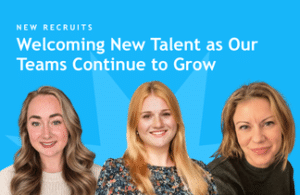
M·E·L Research is pleased to welcome four new colleagues to our growing team, strengthening our research and evaluation expertise as we continue to expand our services and support clients.
The appointments of Laura Karban, Associate Director; Bethan Jewsbury, Senior Evaluation Managers; and Chloe Parker, Research Manager, alongside Rhoslyn Davies, who joins us on a short-term basis to provide additional senior evaluation support, bring a wealth of experience across social research, evaluation, public policy…
It was an absolute honour to attend the Women’s Health Conference in London this week, bringing together clinicians, policymakers, campaigners and others passionate about improving women’s health.
As a researcher specialising in women’s health social research, I was excited to have the opportunity to learn, be challenged and exchange ideas with people who share that passion. And I wasn’t disappointed.
There has (quite rightly) been a lot of discussion recently about the gender health gap. But some of the evidence shared…
We are pleased to be working with the MS Society on new health and care social research exploring how health and care services can better support people with multiple sclerosis (MS) and help reduce avoidable hospital admissions.
The health and care social research study will focus on opportunities for earlier intervention and more coordinated, preventative support, while recognising that hospital admission is sometimes clinically necessary. It will…
Last week, I had the opportunity to speak at Collections Inside & Out, a symposium hosted at National Trust Chirk Castle & Garden, bringing together people working across gardens, horticulture, heritage, collections and interpretation.
I was, perhaps, a slight interloper among so many people with deep horticultural expertise but every presentation was incredibly interesting and I learned a lot – and broadly managed to follow the general flow of what was being said (still not 100% au fait with taxa…
We’re pleased to share that our Commercial Director, Elliot Simmonds, will be speaking at the Collections Inside & Out symposium at National Trust Chirk Castle & Garden on 24 September 2026. Bringing together professionals working across heritage collections, gardens and landscapes, the symposium will explore the relationship between indoor and outdoor heritage and the opportunities created by thinking about them as part of a connected visitor experience.
Elliot’s session, “Integrating Indoor…
M·E·L Research has been named the winner of the Award for Outstanding Contribution to Social Value & Ethical Research 2026 at the UK Enterprise Awards.
The award recognises the values that shape both the work we choose to undertake and the way we deliver it. From building trauma-informed practices into our research to improving inclusion and reinvesting in the communities around us, social responsibility is part of how we operate every day.